Articles
Insights from NeaMob Team
analytics & reporting
Effective Automation of Reporting and Data Analysis in a Marketing...
Read Now
SEM campaign management
Boosting Your Search Impression Share in Google Ads: Essential Tips...
Read Now
analytics & reporting
Effective Automation of Reporting and Data Analysis in a Marketing...
Read Now
SEM campaign management
Boosting Your Search Impression Share in Google Ads: Essential Tips...
Read Now


Articles
Insights from NeaMob Team
analytics & reporting
Effective Automation of Reporting and Data Analysis in a Marketing...
Read Now
SEM campaign management
Boosting Your Search Impression Share in Google Ads: Essential Tips...
Read Now
Effective Automation of Reporting and Data Analysis in a Marketing Agency
02 December 2023/8.3K read
In the modern world of advertising, the role of an analyst is becoming increasingly crucial. They have become invaluable partners to advertising professionals, helping them unlock the secrets of successful advertising strategies. Analysts delve into vast amounts of data, uncover valuable insights, and draw precise conclusions. The effectiveness and success of entire advertising campaigns depend on their work.
The success of advertising campaigns relies on proper data analysis and understanding. Analysts assist in identifying audience needs, and effective communication channels, and devising well-crafted strategies. They study, analyze, and interpret data, providing valuable context for making informed decisions in advertising.
This article will give you an exceptional understanding of the following:
1. Role of an Analyst in Advertising - An Assistant on the Path to Success
2. Google Apps Script - Changing the Game with Automation
3. Google Looker Studio - The Key to Dashboards and Insights
4. Data Analyst and BI Analyst - Data Decoders for Business Success
5. JavaScript Developer in Google Apps Script Environment - Mastering Creative Solutions

1. Role of an Analyst in Advertising - An Assistant on the Path to Success
2. Google Apps Script - Changing the Game with Automation
3. Google Looker Studio -
The Key to Dashboards
and Insights
4. Data Analyst and BI
Analyst - Data Decoders
for Business Success
5. JavaScript Developer
in Google Apps Script
Environment - Mastering
Creative Solutions
Role of an Analyst in Advertising - An Assistant on the Path to Success
Analysts play an integral role in successful advertising strategies. Using powerful tools like Google Sheets, analysts efficiently collect and process large volumes of data, identifying valuable connections and insights, forming the foundation of successful advertising decisions.
Google Sheets facilitates seamless project collaboration, enabling analysts to integrate diverse data from various sources. It's interactive features and automation capabilities allow for quick data analysis and the creation of comprehensive reports.

Analysts play an integral role in successful advertising strategies. Using powerful tools like Google Sheets, analysts efficiently collect and process large volumes of data, identifying valuable connections and insights, forming the foundation of successful advertising decisions.
Google Sheets facilitates seamless project collaboration, enabling analysts to integrate diverse data from various sources. It's interactive features and automation capabilities allow for quick data analysis and the creation of comprehensive reports.
Google Apps Script - Changing the Game with Automation
Google Apps Script is a potent tool for automating routine tasks. Analysts can create custom scripts that streamline data collection, processing, and report generation. Utilizing Google Apps Script expands the capabilities of Google Sheets and other tools.
The flexibility of Google Apps Script empowers analysts to customize scripts according to their needs, increasing productivity. Features such as task automation, regular notifications, and data security are among the advantages offered by Google Apps Script.
Google Looker Studio - The Key to Dashboards and Insights
Google Looker Studio is a tool for building dashboards and interactive reports based on data from Google Sheets and other sources. Analysts can utilize this tool to visualize data, analyze trends, and identify key performance indicators for success.
Google Looker Studio enables the creation of dynamic dashboards with interactive charts and reports. As a result, analysts can focus on the critical metrics and deliver more compelling presentations to teams and clients.
Data Analyst and BI Analyst - Data Decoders for Business Success
Data analysis plays a pivotal role in the advertising world, with Data Analysts and BI Analysts serving as true data decoders, transforming numbers into insights. By gathering and analyzing data from various sources, they aid in understanding the effectiveness of advertising campaigns and customer engagement strategies.

Data Analyst and BI Analyst - Data Decoders for Business Success
Data analysis plays a pivotal role in the advertising world, with Data Analysts and BI Analysts serving as true data decoders, transforming numbers into insights. By gathering and analyzing data from various sources, they aid in understanding the effectiveness of advertising campaigns and customer engagement strategies.
BI Analysts possess the ability to forecast market trends and develop strategies based on data. Their analytical models help clients envision the future and make informed decisions.

JavaScript Developer in Google Apps Script Environment - Mastering Creative Solutions
JavaScript Developers in advertising are solution creators, by automating processes and providing user-friendly data handling. Using JavaScript, analysts can build specialized applications and scripts to enhance workflow efficiency.
JavaScript Developers also improve user interfaces, creating convenient and user-friendly tools. Their efforts lead to faster and more productive data management and analysis, fostering success in advertising campaigns.
Author
*Illustrations from icons8.com

Illia Chysnikov
BI Specialist at NeaMob
The Design Department and its place in our marketing boutique
1 August 2022/12.1K read
Working in an agency, a simple designer gains a lot of experience, as it turns out with a high profitability of tasks and the likelihood of professional growth.
For us, a design team is a perpetual motion machine that provides work to achieve a common goal.

For us, a design team is a perpetual motion machine
that provides
work to achieve
a common goal.
The responsibilities of a marketing designer are to create:
- Banners that should break through banner blindness and grab the attention of potential customers;
- Videos, which from the first 3 seconds will attract the audience and explain the product or service;
- Presentations describing the value proposition of the product or service;
- Websites that meet all UX/UI requirements;
- Social Media Marketing;
- Creation of identity.
Thanks to various clients, the designer in our marketing boutique becomes savvy in different areas and knows the peculiarities of working with a varied range of products, from digital products and devices to jewelry, because you can’t always use the same design techniques for all clients.
A marketing designer is a mini-campaign-manager.
CTR, ROAS, QUALIFIED LEAD and so on, all these concepts are familiar to the marketing designer in our boutique. Before each creation of a new set of creatives, the designer studies the updated indicators from Data Studio, thus choosing not only the most successful creatives, but also the concepts. To make the work more productive, each designer has at their disposal reports on creatives that are compiled by campaign managers, a table with concepts for each client, which are maintained by the designers themselves, and each designer communicates closely with the campaign managers. After the set of creatives has been worked out, the designer will analyze all the results and record the learnings in the report.










But that's not all.
Each designer is assigned a specific client, for which the designer makes a monthly work schedule to make sure that everything is on time, takes into account all tasks and coordinates deadlines; solves the tasks of the CEO team, monitors the performance. This personalized approach fosters stronger relationships and more impactful designs
Pros of working in a marketing boutique:
Working as a designer in a marketing boutique, you can gain experience working with different clients, products that are completely different from each other, get acquainted with the principles of work of different departments, such as BI, Development, and so on.
In addition, the result of the work is always visible in the reports, which greatly motivates each designer to work more effectively.


In our marketing boutique, the design-department consists of a variety of designers each with their own special skills, which we always share with each other during team-meetingand training calls. It's always a great opportunity to learn from experience.
The central figure in our team is Creative Team Lead, who holds the responsibility of creating visual content that aligns with the campaign's goals and resonates with the target audience.
Minuses? Yes, they are few, but they still exist.
The biggest disadvantage of working in a marketing boutique is burnout. Unfortunately, this is a reality of every job and there is no getting away from it.
The most well-known way to save yourself from burnout is rest, but according to statistics, the design-departments go on vacation less often than campaign managers, because there are often times higher volumes of design tasks.
In essence, a creative team in a marketing boutique is a blend of talents, skills, and collaboration that creates a synergy capable of producing innovative, effective, and visually appealing marketing materials tailored to a variety of clients and industries. It's a dynamic environment that requires adaptability, continuous learning, and a passion for creativity.
In conclusion, a design team within a marketing boutique embodies a blend of artistic prowess, data-driven decision-making, client understanding, and collaborative effort. It's a vibrant ecosystem where designers play a pivotal role in crafting compelling visual narratives that drive successful marketing campaigns.

In conclusion, a design team within a marketing boutique embodies a blend of artistic prowess, data-driven decision-making, client understanding, and collaborative effort.
It's a vibrant ecosystem where
designers play a pivotal
role in crafting compelling
visual narratives that drive
successful marketing
campaigns.
Author
*Illustrations from icons8.com

Anna Litvinova
Senior Marketing Designer at NeaMob
Drive Growth with Rakuten's Winning Formula for Merchant Success
14 August 2023/9.8K read
In this article, we will explore the ins and outs of starting a Merchant marketing program, key factors to consider, common pitfalls to avoid, and the potential for exponential growth.
Content
1. Analyze your competitors
2. Create appealing offer
3. Know your data
4. Don’t underestimate connections and communication

Content
1. Analyze your
competitors
2. Create appealing offer
3. Know your data
4. Don’t underestimate
connections and
communication

Analyze your competitors
In the competitive world of affiliate marketing, understanding and analyzing your competitors can significantly impact your program's success. By creating an Affiliate account and conducting a thorough analysis of competitors' strategies, offers, and strengths, you can gain valuable insights to refine your approach and outperform the competition.
By signing up as an affiliate on the platforms where your competitors are active, you gain access to their program details and promotional materials.
Studying these assets can provide you with a wealth of ideas and inspiration for improving your own promotional materials and marketing efforts. Pay special attention to the key proposals your competitors are making to their affiliates. What sets their program apart from others? Do they offer higher commission rates, exclusive products, or special incentives? By understanding their unique selling points, you can identify opportunities to differentiate your program and attract more affiliates.


Moreover, scrutinize their policies, terms, and conditions. Analyzing the strengths and weaknesses of their policies will allow you to refine your own policies and create a more attractive and competitive affiliate program. Look for any gaps or shortcomings in their offering, and use this knowledge to your advantage. In addition to identifying successful aspects, take note of any mistakes or shortcomings made by your competitors.
This analysis can help you avoid making similar errors and improve your program's overall performance. Keep an eye on feedback from affiliates who may have worked with your competitors before, as it can reveal valuable insights into what works and what doesn't.
This knowledge empowers you to fine-tune your program, stand out in the crowd, and attract top affiliates who will be eager to promote your products or services.
Create an appealing offer
Creating a compelling offer for your product is crucial in attracting affiliates and maximizing sales. Start by offering a higher-than-average base commission compared to your competitors. This initial incentive motivates affiliates to promote your product enthusiastically. As revenue stabilizes and sales volume remains steady, consider gradually decreasing the commission rate while ensuring it remains competitive in the market.

To equip your affiliates for success, provide comprehensive marketing materials and resources. Offer a variety of eye-catching banners, engaging text links, and high-quality product images. Create persuasive product descriptions and unique selling points to help affiliates effectively convey the value of your product to potential customers.
Furthermore, consider implementing a tiered commission system based on affiliate performance. Reward top-performing affiliates with higher commission rates or exclusive bonuses, fostering healthy competition and incentivizing excellence.
Finally, continuously monitor and analyze the performance of your affiliate program. Track sales data, conversion rates, and affiliate activities.
By providing your affiliates with the necessary tools, support, and incentives, you create a mutually beneficial partnership that drives sales and expands your product's reach. With a well-crafted offer and attentive affiliate management, your product can stand out in the market and attract a loyal and motivated affiliate network.


Know your data
It is crucial to ensure that you gather data from accurate sources and pay close attention to the attribution model used by the platform providing the data.
Certain platforms, we won’t point fingers (GA4), may mistakenly attribute sales to the wrong sources.
This can lead to skewed insights and misjudgments about the effectiveness of marketing efforts. To overcome this challenge, it is essential to compare data from different attribution models and platforms. By doing so, you can uncover hidden discrepancies and obtain a more accurate understanding of the true sources of success.
Moreover, data analysis goes beyond identifying the right sources. Effective communication and collaboration within marketing teams are equally crucial. Combining data from various channels and collaborating on insights can provide a more comprehensive understanding of consumer behavior and campaign performance.
This approach will help you make well-informed decisions, optimize your marketing efforts, and ultimately drive greater success for your business.

Extra tips
Becoming a Premium advertiser on the Rakuten platform is a simple yet impactful way to boost your marketing efforts. By adhering to all the platform's guidelines and rules, you can easily reach out to their support team to request Premium status. The benefits of being a Premium advertiser are substantial, offering increased exposure and establishing stronger trust between you and your partners.
Make your baseline offer in %. Do not make it in $ as some of the cost of goods sold (COGS) are higher than others. There is a big possibility that you'll end up with negative revenue if your baseline offer is in $ format.

By adding affiliate marketing to your platform pipeline and implementing a well-structured approach, you can tap into new revenue streams and propel your business to greater heights. Keep an eye on expansion opportunities, continuously optimize your strategies, and foster collaborative relationships with affiliates to achieve lasting success in the dynamic world of affiliate marketing. Make sure to concentrate on your KPIs and know that there, the sky is the limit!
By adding affiliate marketing to your platform pipeline and implementing a well-structured approach, you can tap into new revenue streams and propel your business to greater heights.
Keep an eye on expansion opportunities, continuously optimize your strategies, and foster collaborative relationships with affiliates to achieve lasting success in the dynamic world of affiliate marketing. Make sure to concentrate on your KPIs and know that there, the sky is the limit!
Author
*Illustrations from icons8.com
O.K.
Campaign Manager at NeaMob
Unlocking the power of GA4 for
businesses: the vital issues you need to know
02 April 2022/8.8K read
The constant changes in the digital world keep online businesses and specialists from different spheres in shape. Everyone is used to GDPR, CCPA, and iOS 14 updates, and now we have a new challenge – Google Analytics 4.
This article will give you an exceptional understanding of the following:
1. What was the necessity of switching to GA4?
2. How can GA4 improve the effectiveness of your business?
3. Why isn’t GA4 as good as it has to be?
4. What is going to happen with all the data from Universal Google Analytics?

This article will give you an exceptional understanding of the following:
1. What was the necessity of switching to GA4?
2. How can GA4 improve the
effectiveness of your
business?
3. Why isn’t GA4 as good
as it has to be?
4. What is going to happen
with all the data from
Universal Google
Analytics?
What was the necessity of switching to GA4?
The new version of Google Analytics isn’t just an interface update. It is a fundamental change in the logic of the tracking and analytic processes. The necessity of changing Universal Google Analytics to GA4 (Google Analytics 4) stems from several factors:
- Evolving Consumer Behavior
- Need for Enhanced Cross-Platform Tracking
- Future-Proofing
- Privacy and Data Regulation Compliance
Let’s figure out each of the factors in more detail.
#1
Evolving Consumer Behavior
Consumer behaviour and digital marketing practices have evolved significantly since Universal Analytics was introduced. Users now interact with websites and apps across multiple devices and platforms, making capturing and analysing data from various touchpoints necessary.
#2
Enhanced Cross-Platform Tracking
GA4 offers improved cross-platform tracking capabilities. It allows businesses to track user interactions across websites, mobile apps, and other digital platforms, providing a more comprehensive view of user behaviour. This is crucial in today's multi-device, multi-channel digital landscape.
#3
Future-Proofing
GA4 addresses emerging challenges and future digital marketing and analytics trends. It incorporates machine learning and AI-driven insights, enabling businesses to extract more meaningful and actionable data. By migrating to GA4, organisations can position themselves for future advancements and stay ahead in the evolving analytics landscape.
#4
Privacy and Data Regulation Compliance
Privacy regulations such as the General Data Protection Regulation (GDPR) and the California Consumer Privacy Act (CCPA) have heightened the importance of data privacy and user consent. GA4 is designed with privacy in mind, offering features like enhanced consent management and data retention controls, helping businesses comply with data protection regulations.
35%
of global companies report using AI in their business.
Source: https://explodingtopics.com/blog/companies-using-ai
How can GA4 improve the effectiveness of your business?
The new version of Google Analytics has five main improved directions: Data Collection, User Identification, Reporting, Machine Learning, and Privacy.
Improved Data Collection to reduce losses
GA4 and UA differ in how data is collected. In UA, data is collected using cookies stored on the user's device. GA4 uses event-driven data models that track user interactions on your website or app without relying on cookies. This allows GA4 to capture more data, including events, before users identify themselves.
Up to 70%
of users reject the cookies, and no event data is collected because of it.
Source: https://www.statista.com/statistics/989896/users-consent-in-advertising-tracking/
Improved User Identification
Another key difference between GA4 and UA is how user identification works. In UA, user identification is based on a unique ID generated by Google Analytics when a user first visits your site or app. In contrast, GA4 allows you to define user IDs, making tracking users across multiple devices and sessions easier. This is particularly useful for businesses with long sales cycles or relying on returning customers.

Reporting
GA4 and UA's reporting capabilities are different. In UA, reports are organised into categories such as Real-Time, Audience, Acquisition, Behavior, and Conversions. GA4 reports are organised around user-centric events such as user engagement, retention, and acquisition. This makes it easier to analyse user behaviour and identify opportunities for improvement.
“Feel the difference: Universal Google Analytics had over 100 ready-made reports, while in GA4, there are only 5 ready-made reports.”
Machine Learning
One of the most exciting features of GA4 is its integration with Google's machine-learning technology. GA4 includes several AI-powered insights that can help you identify patterns and trends in your data. For example, GA4 can automatically identify your top-performing pages, most engaged users, and most valuable segments. This makes optimising your marketing campaigns and improving your user experience easier.
Privacy
Finally, GA4 has been designed with privacy in mind. With increasing data privacy and compliance concerns, GA4 offers several new features to help you protect your users’ data. For example, GA4 includes a new data deletion tool that allows you to delete user data on request. It also has new data retention settings that will enable you to control how long user data is stored.
Why isn’t GA4 as good as it has to be?
Even though Google Analytics 4 has a lot of unique and valuable updates, not everything is so smooth and everyone should be ready to be faced with some GA4 cons.
#1
Learning Curve
GA4 introduces a new data model and user interface, which may require users to invest time and effort to understand and adapt to the changes. The transition may involve a learning curve if you're familiar with the previous version (Universal Analytics).
#2
Limited Historical Data
Since GA4 is a new platform, it cannot import historical data from Universal Analytics. This means you won't be able to compare and analyze data from before the GA4 implementation, potentially limiting your ability to track long-term trends.
#3
Data Sampling
Like Universal Analytics, GA4 may apply data sampling when dealing with large data sets. This can affect the accuracy and precision of your reports, particularly when analysing detailed or granular data.
#4
Feature Parity
While GA4 continuously improves, it may have yet to have feature parity with the previous version. Some features or customizations available in Universal Analytics may still need to be fully implemented or may have different workflows in GA4. This can impact your ability to perform certain analyses or access specific data.
#5
Maturity and Stability
Being a newer version, GA4 may have specific stability issues or bugs that must be fully resolved. Keeping track of updates and changes is essential to ensure you are aware of any problems and can adapt accordingly.
#6
Customisation Complexity
GA4 has a different data model than Universal Analytics, making some customization aspects more complex. Custom event tracking, custom dimensions, and custom reports require additional configuration or adjustments compared to the previous version.
What is going to happen with all the data from Universal Google Analytics?
Keep in mind!
All users will lose access to the Universal Analytics API and UI on July 1, 2024.
Source: https://support.google.com/analytics/
Universal Analytics resources have stopped processing data since July 1, 2023. This means the website traffic will no longer be tracked, and reports will not be updated. You will be able to access previously processed data in Universal Analytics until July 1, 2024. After that, all users will lose access to the Universal Analytics API and UI. To save your data from Universal Google Analytics, export all reports off past periods up to this date.

In conclusion, unlocking the power of Google Analytics 4 (GA4) is essential for businesses looking to thrive in the digital age. We hope this article has shed light on the vital issues enterprises need to know to harness the full potential of GA4.
If you have any further questions or need assistance with your business growth, our online growth marketing agency is here for you!
In conclusion, unlocking the power of Google Analytics 4 (GA4) is essential for businesses looking to thrive in the digital age. We hope this article has shed light on the vital issues enterprises need to know to harness the full potential of GA4.
If you have any further questions or need assistance with your business growth, our online growth marketing agency is here for you!
Author
*Illustrations from icons8.com

Kate Kozachenko
Campaign Management Team Lead at NeaMob
7 mistakes in creatives that reduce the effectiveness of ads
13 Oktober 2021 / 11.8K read
Creative advertisement mistakes can significantly reduce ads' effectiveness and impact their ability to resonate with the target audience.

Creative advertisement mistakes can significantly reduce ads' effectiveness and impact their ability to resonate with the target audience.

Based on the experience of our marketing boutique, we have collected the main types of errors, the elimination of which can improve your creative’s performance and results.
TOP #1
Misalignment with the Platform
Each advertising platform has its own unique characteristics, and ads should be tailored accordingly. An ad designed for social media (Meta, TikTok, and others) might work less effectively on, for example, Bing, Taboola, Acuity, etc.
It is also important to familiarize yourself with the specification and gallery of creatives of competitors or companies with the same target audience as a first step. This will help you see all the limitations of the platform and its capabilities.

The creative ad specifications of some platforms
1. Twitter + additional recommendations
2. Taboola + trends
3. Unity
4. Google Image Extension
5. Acuity
6. Chartboost
TOP #2
Ignoring the Target Audience
Not understanding the target audience's preferences, needs, and pain points can lead to irrelevant or unappealing creatives. Successful ads are tailored to resonate with the specific demographics they aim to reach. Showing visuals of the target audience in ads is essential because it helps create relatability, authenticity, and a stronger emotional connection between the audience and the brand.
When the target audience sees visuals representing people who look like them, share similar lifestyles, or face relatable situations, they are more likely to feel that the ad speaks directly to them. This relevance and identification increase the chances of capturing and engaging their attention in the message.
What to do?
A strong value proposition is the cornerstone of a product and the key to a deeper understanding of your target audience. Visuals that depict the target audience's experiences, challenges, or aspirations can evoke empathy. This emotional connection can motivate the audience to consider the advertised product or service as a solution to their needs.
The most well-known approach to creating a value proposition is using Canvas Template by Osterwalder. The value proposition canvas comprises two major components: the customer profile and the value map.
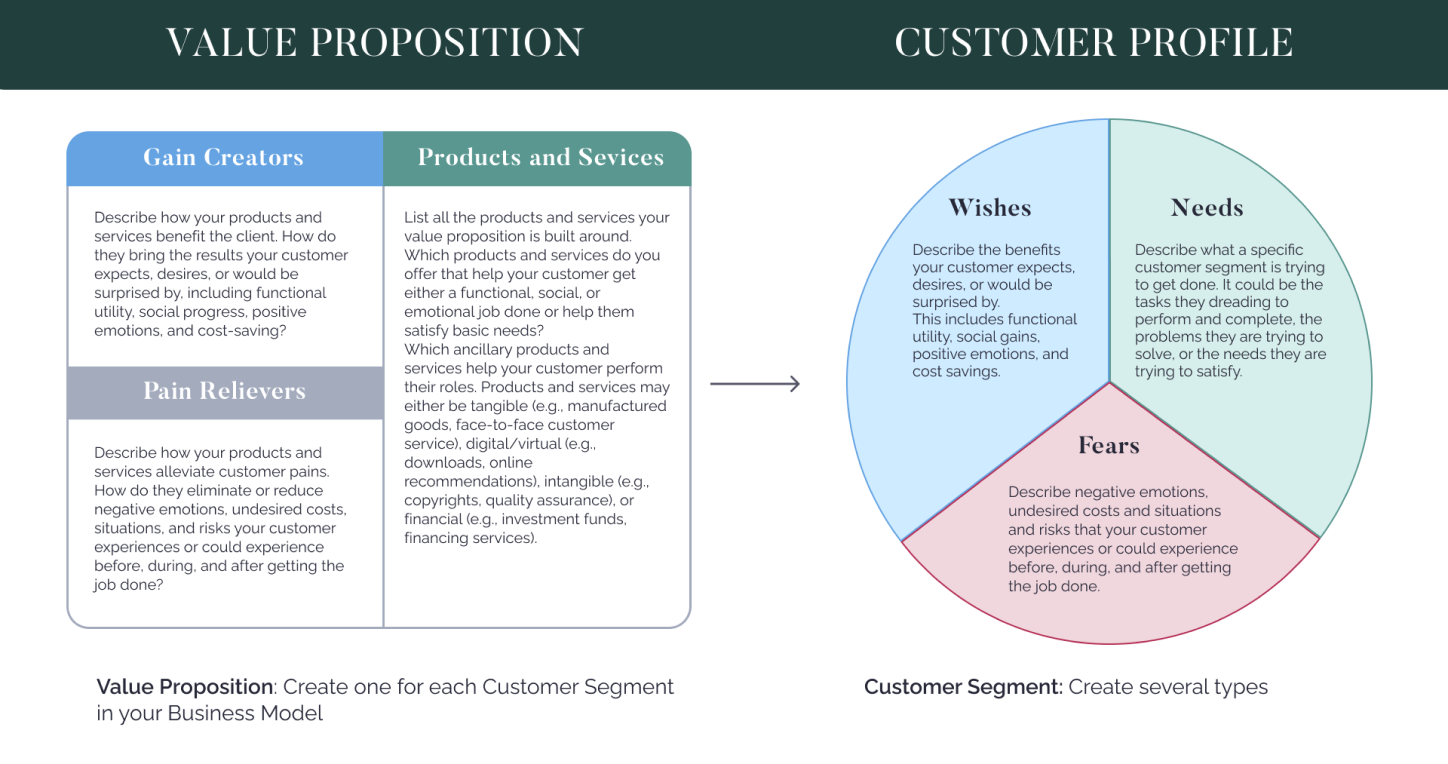
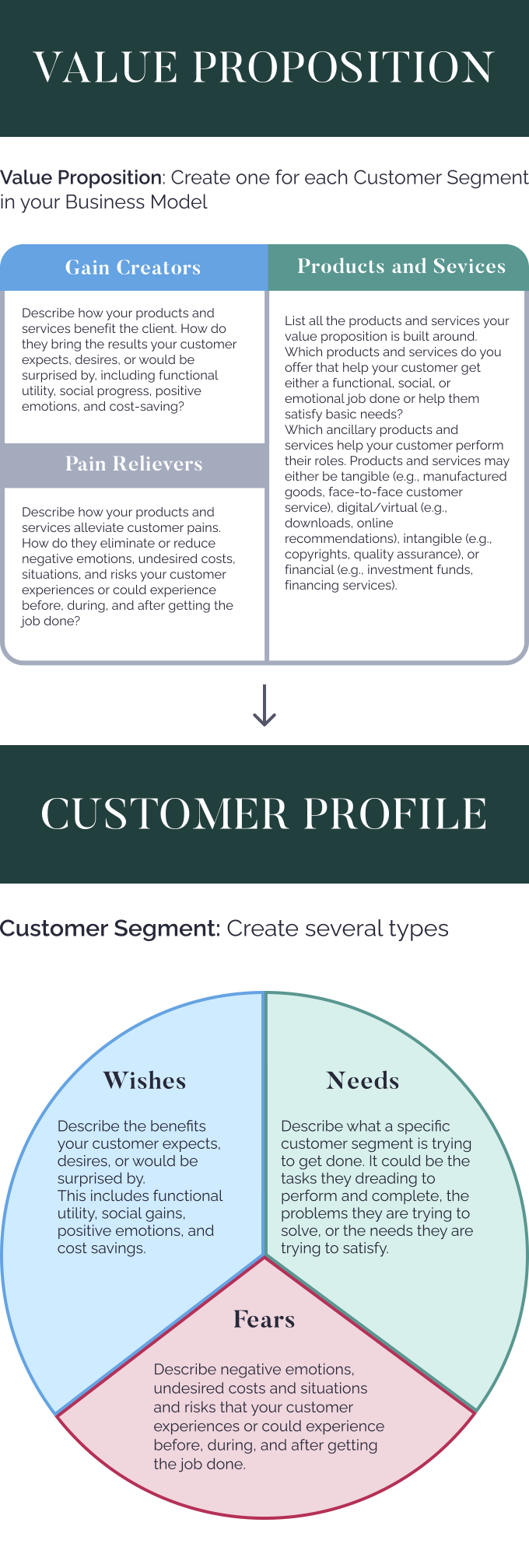
After you identify all types of target audiences, describe a profile for each one. Gender, age, geography, average income, field of activity, interests, time of activity, character traits, marital status, and more. Collect footage and images of what your audience might look like. And try to use only this visualization in 80% of the cases, experiment with the other 20% of creatives and make minor adjustments. With rapidly changing trends and changes in the market, you will always be the first to see a new audience interested in your product.
TOP #3
Irrelevant visuals for different geographic regions
*This item applies only to selling your product/service to different geographical destinations.
Different geographic regions often have distinct cultures, traditions, and lifestyles. By showing relevant visuals to each area, advertisers can ensure that the ad resonates with the local audience and reflects their cultural values.
Localization is a crucial aspect of effective advertising. Visuals tailored to the specific geographic region help the audience feel that the brand understands their local context, which fosters a stronger connection and increases the likelihood of engagement.
In regions with different languages, showing visuals that match the target audience's language helps overcome language barriers. Creatives ad can transcend language and communicate the intended message.

Different geographic regions often have distinct cultures, traditions, and lifestyles. By showing relevant visuals to each area, advertisers can ensure that the ad resonates with the local audience and reflects their cultural values.
Localization is a crucial aspect of effective advertising. Visuals tailored to the specific geographic region help the audience feel that the brand understands their local context, which fosters a stronger connection and increases the likelihood of engagement.
In regions with different languages, showing visuals that match the target audience's language helps overcome language barriers. Creatives ad can transcend language and communicate the intended message.
TOP #4
Lack of Clear Message
If an ad lacks a clear and concise message, it can confuse the audience, making it difficult for them to understand what the product or service is about. A robust and focused message is crucial to communicate the value proposition effectively.
What to do?
Create a list of titles that describe your value proposition in clear language. It is also important to strive to make more capacious and memorable slogans to fit into any composition.
The more specific your message is, the more quality audience you will be able to attract to your creatives. If your partner's product/service has several value propositions at once, try testing each one separately. For example, for one of our clients, we launched 3 such creatives and each of them talks about a different functionality of the same product. So we could attract a narrower audience and show its different pain relievers.



TOP #5
Absence of Call-to-Action (CTA)
With a clear and compelling CTA, viewers might know what action to take next. A strong CTA is essential to drive conversions, whether it's making a purchase, signing up for a newsletter, or visiting a website. A well-designed CTA can turm a potential passive viewer into an active participant.
An effective CTA often includes language that creates a sense of urgency. Words like "limited time offer," "act now," or "don't miss out" prompt users to take immediate action, fearing they might miss a valuable opportunity.
A compelling CTA captures the user's interest. It addresses their pain points, needs, or desires, making them more likely to take action. Also, a well-placed CTA helps direct their focus toward what the advertiser wants them to do.
CTA ideas for some types of ad campaigns

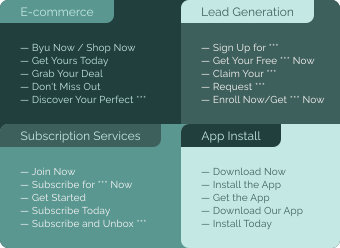
Remember, an effective CTA should be clear, action-oriented, and convey a sense of urgency or value. It's also a good idea to test different CTAs to see which resonates best with your specific audience and drives the desired action.
TOP #6
Absence of UGC format
UGC stands for User-Generated Content. It refers to any type of content, such as text, images, videos, reviews, or testimonials, created and shared by users or customers rather than by a brand or organization. UGC has become increasingly important in the digital age due to the rise of social media and online communities.

53%
of shoppers say they constantly research reviews before buying to make the best choice.
Source: https://www.thinkwithgoogle.com/consumer-insights/consumer-trends/shopping-research-before-purchase-statistics/
When potential customers see real people sharing their experiences and opinions, it builds trust and credibility for the brand. This interaction fosters a sense of community and involvement, which can lead to increased brand loyalty.
UGC often includes personal stories, anecdotes, and emotions. Such content helps in building an emotional connection with potential customers. Also, by seeing others enjoying your poduct, they are more likely to be influenced to try them as well.
Creating high-quality content can be expensive and time-consuming. UGC provides a cost-effective way to source engaging content from your customers, reducing the need for extensive content creation efforts.
TOP #7
Overcomplicating the Design
Ads cluttered with too much text, excessive graphics, or overwhelming visuals can overwhelm the audience and dilute the message. This can lead to confusion and prevent potential customers from losing interest quickly. Simplicity often works best in grabbing attention and conveying the main idea.
Сomplicated designs with numerous graphics, animation, and effects can result in slow loading times, especially on mobile devices. Slow load times can increase bounce rates and negatively impact user experience. Remember that optimizing files for mobile ads involves a trade-off between file size and quality. The goal is to provide a visually appealing experience without causing slow load times, especially on slower network connections.
Simple and clear designs are more memorable. Complex designs are harder to remember, and viewers might not retain the key information or remember the brand.
What do you think? Which of these creatives brought the best result?


It is also crucial to follow the rules of composition when making a creative. Common compositional rules include the rule of thirds, balance, symmetry, contrast, and leading lines. These rules provide a framework that assists in arranging elements for maximum impact. A well-organized layout guides the viewer's eye to the focal point, preventing confusion or misinterpretation.
In conclusion, simplicity and clarity are often crucial to creating effective ads. Overcomplicating the design can hinder message delivery, user engagement, and overall campaign success. A well-balanced and well-designed ad should make it easy for the audience to understand, engage with, and remember the message.

Time to stop making creative ad mistakes!
When you avoid the mistakes described above, you’ll realize the true potential of ads in terms of a high-quality influx of visitors and leads, more engaged customers, and more significant revenue.
Are you currently making any of these creative ad errors? If so, time to set things right!
Time to stop making creative ad mistakes!
When you avoid the mistakes described above, you’ll realize the true potential of ads in terms of a high-quality influx of visitors and leads, more engaged customers, and more significant revenue.
Are you currently making any of these creative ad errors? If so, time to set things right!
Author
*Illustrations from icons8.com

Diana
Creative Team Lead at NeaMob
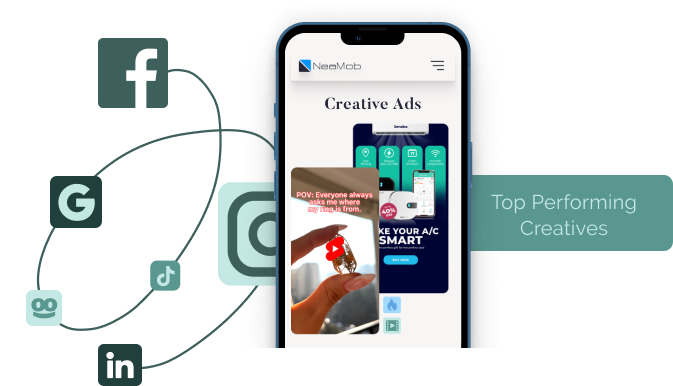
See It to Believe It!
Click the link below to explore our portfolio
and witness the power of creative ads.
Expanding FB Capabilities for E-Commerce: Advantage+ Campaigns
10 May 2023/9.7K read
For most e-commerce businesses, the main challenge they face is the seasonality of sales and the need to maintain a solid, stable ROAS even during weak sales periods.
In this article we will share:
1. Meta Best Practices in E-Commerce.
2. Key features of Advantage+ campaigns.
3. Case study.
4. What happened next?

In this article we will share:
1. Meta Best Practices in E-Commerce.
2. Key features of Advantage+ campaigns.
3. Case study.
4. What happened next?
Meta Best Practices in E-Commerce
In the Meta environment, based on best practices, most of the budget (up to 60%) is distributed among campaigns with broad targeting settings. Another 40% of the budget is allocated equally between audiences narrowed by interests and hypothesis testing.
Campaigns with broad targeting settings limit platforms only by geolocation, age and gender. In this case, Meta provides more opportunities to find the most suitable audience and get the cheapest CPA.
Key features of Advantage+ campaigns
Since August 2022, Meta has offered advertisers a new campaign type to Increase Sales and Drive Growth. Advantage+ shopping campaigns use AI to eliminate the manual steps of ad creation and automates up to 150 creative combinations at once.
At their core, Advantage+ campaigns are an improved version of broad targeting, but they have several differences:
- The Campaign and Ad Set customization level have been merged as a result, the number of customizations available has been significantly reduced;
- Of the targeting settings, only geolocation is available;
- Useful is the ability to add several custom audiences that contain information about your customers and allocate a certain % of the budget within the same campaign to retain the customer and encourage repeat purchases.
- It is also possible to set up an optimization event, attribution settings and add a special ad category if needed.
- On the Ad level, you will be able to publish 150 ads instead of 50 as in other campaigns.
Thus, you spend much less time launching, managing, optimizing ads and getting simplified campaigns structures using the power of machine learning.
Case study
We tested this type of campaign on one of our E-commerce clients in Q4 in 2022.
The purpose was to test Advantage+ campaigns in parallel with the main campaigns using 35% of the budget and comparinge the performance.
We knew that the results in Q4 would be good. It was important for us to understand whether machine learning in a new type of campaign would really help us find more relevant markets and customers with a cheaper CPA.
The results surprised us: Advantage+ cost per purchase (CPP) was 20% lower and ROAS was 125% higher than in our main campaigns with ROAS & Value optimizations.
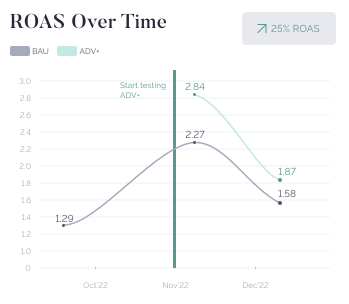
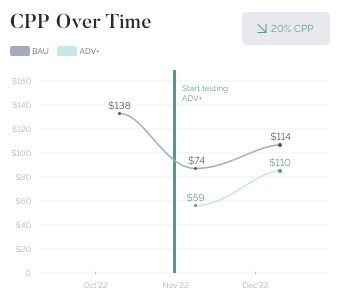
Creatives and messaging during the test were the same. The only difference was the campaign type.

What happened next?
In January 2023 we continued to test different settings of the main campaigns and check the viability of the Advantage+ campaigns. Convinced with the success of Advantage+ in February 2023, we completely switched our marketing strategy to running only Advantage+ campaigns.
What happened next?
In January 2023 we continued to test different settings of the main campaigns and check the viability of the Advantage+ campaigns. Convinced with the success
of Advantage+ in February 2023,
we completely switched our
marketing strategy to running
only Advantage+ campaigns.

Author
*Illustrations from icons8.com

Karina Chorna
Campaign Manager at NeaMob
Ethical UX/UI Design: Balancing Experience & Privacy
8 August 2021/4.5K read
In today's digital era, the role of UX/UI designers has become increasingly vital in shaping user experiences across various digital platforms. As we strive to create intuitive, engaging, and aesthetically pleasing interfaces, it is crucial to also consider the ethical implications of our design choices. Ethical UX/UI design goes beyond aesthetics and functionality; it focuses on respecting user privacy, promoting inclusion, and making responsible data-driven decisions. In this article, we will explore the importance of ethical design in the digital landscape and discuss key principles that can help us strike the right balance between user experience and user privacy.
- Understanding Ethical UX/UI Design.
- The Impact of Dark Patterns.
- Balancing Personalization and User Privacy
- Inclusive Design for All Users.
- Transparent User Data Handling.
- User-Centered Design for Social Good.

- Understanding Ethical UX/UI Design.
- The Impact of Dark Patterns.
- Balancing Personalization and User Privacy
- Inclusive Design
for All Users. - Transparent User
Data Handling. - User-Centered
Design for
Social Good.
Understanding Ethical UX/UI Design
Ethical design in the UX/UI field means designing with empathy while considering the impact of our decisions on users and society as a whole. It involves avoiding practices that manipulate or deceive users, such as dark patterns. Dark patterns are user interface design tricks that nudge users into taking certain actions they may not want to take, leading to a negative user experience. As responsible designers, we should steer clear of such practices and strive to create transparent and straightforward interfaces that empower users to make informed decisions.

The Impact of Dark Patterns
Dark patterns can have serious consequences on user trust and brand loyalty. When users feel manipulated or deceived, they are likely to lose faith in the product or service and may even spread negative feedback. This can lead to a decline in user engagement and, ultimately, a loss in revenue for businesses. Instead of relying on dark patterns, ethical UX/UI designers focus on building trust and long-term relationships with users by providing genuine value through design.
Balancing Personalization and User Privacy
Personalization is a powerful tool for enhancing user experience, as it tailors content and interactions to individual preferences. However, personalization should not come at the expense of user privacy. As designers, we must find ways to strike a balance between offering personalized experiences and respecting user data privacy. Implementing privacy-focused design practices, such as obtaining explicit user consent for data collection and providing clear data usage policies, can help build trust with users and ensure the responsible handling of their information.
Inclusive Design for All Users
Inclusive design is an essential aspect of ethical UX/UI design. It taking into consideration considering the diverse needs and abilities of all users and ensuring that digital products are accessible to everyone, including people with disabilities. By adopting inclusive design practices, we create interfaces that are not only user-friendly but also socially responsible. Examples of inclusive design include providing alternative text for images, using color contrasts that accommodate color-blind users, and offering keyboard navigation options for users who cannot use a mouse.
Transparent User Data Handling
Data collection has become ubiquitous in the digital world, but users are increasingly concerned about how their data is being used. Ethical UX/UI designers prioritize transparency in data handling. This means being open and honest about the data that is collected, the purposes for which it will be used, and how long it will be retained. By providing clear explanations and easy-to-understand privacy settings, we empower users to make informed choices regarding their data.

Transparent User Data Handling
Data collection has become ubiquitous in the digital world, but users are increasingly concerned about how their data is being used. Ethical UX/UI designers prioritize transparency in data handling. This means being open and honest about the data that is collected, the purposes for which it will be used, and how long it will be retained. By providing clear explanations and easy-to-understand privacy settings, we empower users to make informed choices regarding their data.
“Ethical UX/UI designers prioritize transparency in data handling. This means being open and honest about the data collected, the purposes for which it will be used, and how long it will be retained.”
User-Centered Design for Social Good
UX/UI designers have the unique opportunity to use their skills for social good by addressing societal challenges through design. Whether it's creating apps to support mental health, designing educational platforms for underserved communities, or promoting environmental sustainability, ethical designers can positively impact society through user-centered design solutions.

As UX/UI designers, we have the responsibility to design experiences that not only delight users but also align with ethical principles. By prioritizing transparency, inclusivity, user privacy, and social responsibility, we can create digital products that not only meet the needs of users but also contribute to a more positive and trustworthy digital landscape.
Embracing ethical UX/UI design as a core philosophy in our work will not only benefit users but also foster long-term success and sustainability for businesses and organizations alike. Let us join hands in championing ethical design and making a meaningful difference in the digital world.
Author
*Illustrations from icons8.com

Diana Voilova
UX/UI Designer at NeaMob
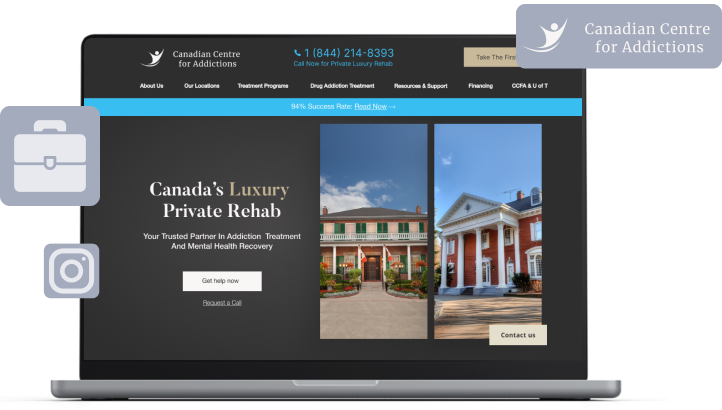
We create websites for our clients.
Click the link below to explore our portfolio and witness the power of websites.
Look

We create websites for our clients.
Click the link below to explore our portfolio and witness the power of websites.
Look
Boosting Your Search Impression Share in Google Ads: Essential Tips for Success
14 August 2023/9.8K read
How to boost your Search Impression Share in Google Ads: discover essential tips to ensure higher visibility and increased engagement for your ad campaigns.

How to boost your Search Impression Share in Google Ads: discover essential tips to ensure higher visibility
and increased
engagement
for your ad
campaigns.
In the competitive world of online advertising, maximizing your Search Impression Share in Google Ads is crucial for driving engagement and achieving advertising success. Search Impression Share is a metric that reflects your ad's performance on the search network, showing how well your ad is reaching its potential audience. Improving your Search Impression Share can lead to higher visibility, increased clicks, and ultimately, better results for your ad campaigns.
Here are some essential tips to help you boost your Search Impression Share in Google Ads:
Step #1
Optimize Your Keywords
Relevance is key when it comes to improving your Search Impression Share. Conduct thorough keyword research and select relevant keywords that align with your target audience's search intent. Focus on long-tail keywords and use keyword match types effectively to capture more specific search queries.
Step #2
Improve Quality Score
Google's Quality Score plays a significant role in your ad's performance. It takes into account factors like ad relevance, expected click-through rate, and landing page experience.
By optimizing these elements, you can increase your Quality Score, which, in turn, positively impacts your Search Impression Share.
Step #3
Increase Bids
If your Search Impression Share is limited by budget, consider increasing your bids strategically. Higher bids can help your ad compete more effectively in auctions, allowing it to appear in more searches and increasing its impression share.
Step #4
Target the Right Audience
Refine your targeting settings to focus on the most relevant audience for your ad. Use demographics, location targeting, and audience interests to ensure your ad reaches the right people who are more likely to engage with it.
Step #5
Create a Compelling Ad Copy
Craft a compelling and relevant ad copy that speaks directly to your target audience's needs and interests. A well-written ad will not only improve your ad's Quality Score but also entice users to click, increasing your ad's impression share.
Step #6
Regularly Review and Adjust
Continuously monitor your ad performance and impression share metrics. Identify trends and areas for improvement. Regularly adjust your bidding strategy, keywords, and ad copy to optimize your Search Impression Share over time.
Step #7
Use Ad Extensions
Take advantage of ad extensions like sitelink extensions, call extensions, and callout extensions. Ad extensions provide additional information and more prominent ad real estate, which can improve your ad's visibility and increase its chances of being clicked.
Step #8
Focus on Mobile
With an increasing number of searches happening on mobile devices, it's essential to optimize your ads for mobile users. Ensure that your landing pages are mobile-friendly and that your ad copy is concise and compelling for smaller screens.
Step #9
Monitor Competitors
Keep an eye on your competitors' ad strategies and performance. Understanding what works for them can provide valuable insights and help you stay ahead in this competitive landscape.
Step #10
Test and Iterate
A/B test different elements of your ads, such as headlines, ad copy, and call-to-action buttons. Use the data from these tests to continuously maintain and improve your ad's performance.

In conclusion, focusing on improving your Search Impression Share in Google Ads is a fundamental aspect of successful online advertising. By optimizing your keywords, improving Quality Score, targeting the right audience, and regularly reviewing your ad performance, you can boost your ad's visibility and engagement, leading to more effective ad campaigns and better overall results.
In conclusion, focusing on improving your Search Impression Share in Google Ads is a fundamental aspect of successful online advertising. By optimizing your keywords,
improving Quality Score, targeting the right audience, and regularly reviewing your ad performance, you can boost your ad's visibility and engagement, leading to more effective ad campaigns and better overall results.
Author
*Illustrations from icons8.com

Andrey Marmak
Campaign Manager at NeaMob
Packing an Instagram business
from scratch
Packing an Instagram business from scratch
30 June 2022/8.8K read
How to draw attention to the company page, keep the visitor, turn them into the subscriber, and then into the client?

How to draw attention to the company page, keep the visitor, turn
them into the
subscriber,
and then into
the client?
In the vast digital landscape, Instagram has emerged as a prominent platform for businesses to establish their presence, engage with their target audience, and promote their products or services. However, to truly stand out and capture the attention of users, brands must invest in the art of Instagram account packaging. In this article, we delve into the science behind packaging a brand's Instagram account and explore the significance of each step based on research and statistics.
What is Instagram Business Packaging?
Instagram business packaging refers to the strategic curation and presentation of a brand's Instagram account to create a cohesive and visually appealing representation. It involves careful consideration of profile elements, content creation, and the overall aesthetic to capture the essence of the brand and resonate with the target audience.
What is Packaging For?
Effective packaging of an Instagram account serves multiple purposes. Firstly, it enhances brand recognition and awareness. A visually consistent and well-curated account attracts users' attention and makes a lasting impression. Secondly, it helps to establish brand credibility and trust. Research has shown that users are more likely to engage with and trust brands that present a professional and cohesive image. Lastly, packaging facilitates brand storytelling by creating a cohesive narrative through visual elements and content.
Is it Possible to Do Without Packaging?
While it is technically possible to have a functional Instagram account without a defined packaging strategy, research suggests that brands that invest in packaging tend to outperform those that do not. A study conducted by Sprout Social found that 75% of users admit to making purchasing decisions based on a brand's social media presence. Effective packaging can significantly impact user perception and increase engagement, ultimately leading to improved business outcomes.



Step #1
Decide on the Type of Profile
When packaging your Instagram account, it's essential to determine the type of profile that best aligns with your brand's objectives. Options include personal profiles, business profiles, or creator profiles. Research shows that 90% of Instagram users follow business accounts, highlighting the importance of utilizing the appropriate profile type for optimal engagement and access to business features.
Step #2
Choose a Name
Selecting a memorable and brand-relevant name is critical for Instagram account packaging. Research conducted by the Journal of Business Research indicates that a brand's name influences consumer perception and willingness to engage. Ensure that your chosen name reflects your brand identity and is easily recognizable.
Step #3
Choose a Username
The username, or handle, is an essential element in Instagram account packaging. Research conducted by Hootsuite suggests that shorter usernames tend to perform better, as they are easier to remember and type. Additionally, incorporating relevant keywords in the username can improve discoverability and search rankings.
Step #4
Choose an Avatar
Your profile picture, or avatar, plays a significant role in shaping users' initial impressions of your brand. Research by the University of Cambridge reveals that users form opinions about a brand within 50 milliseconds of exposure to their profile picture. Select a high-quality image that represents your brand and evokes a positive emotional response.
Step #5
Enter Information in the Profile Header
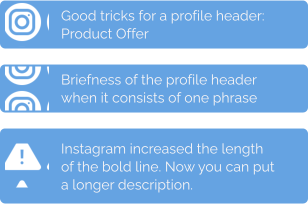
The profile header serves as a valuable space to communicate key information about your brand. Research by Iconosquare suggests that profiles with a complete information segment, including a bio, location, and website link, have a higher chance of gaining followers and driving engagement. Craft a compelling and concise bio that encapsulates your brand's unique selling proposition.
Step #6
Study the Target Audience
Understanding your target audience is crucial in packaging your Instagram account effectively. Conduct research and utilize analytics tools to gain insights into their demographics, interests, and behaviors. This data can guide content creation and help tailor your packaging strategy to resonate with your audience's preferences.
Step #7
Develop a Unified Design Style
Consistency in visual elements, such as color schemes, filters, and typography, is essential in Instagram account packaging. Research conducted by Adobe reveals that consistent visual branding across platforms can increase revenue by up to 23%. Develop a design style that reflects your brand's personality and resonates with your target audience.
Step #8
Decorate the Icons of Current Stories

Instagram Stories have become a popular medium for brands to engage with their audience. Research conducted by Facebook IQ highlights that 62% of users become more interested in a product or brand after seeing it in Stories. Enhance the visual appeal of your Stories by utilizing eye-catching icons, stickers, and interactive elements to captivate your audience.
Step #9
Decide on the Layout of Posts
The layout of your Instagram posts contributes to the overall visual appeal and cohesiveness of your account. Research by Buffer reveals that grid layouts, such as the checkerboard or row themes, can increase engagement by creating an aesthetically pleasing browsing experience. Experiment with different layouts to find the one that best suits your brand's visual identity.


In the ever-evolving world of Instagram, the science behind packaging a brand's account plays a vital role in capturing users' attention, building brand credibility, and driving engagement. By following the steps outlined in this article, based on research and statistics, brands can optimize their Instagram presence and establish a visually captivating and cohesive account. Embrace the power of packaging and unlock the potential for greater brand awareness, customer loyalty, and business success.
In the ever-evolving world of Instagram, the science behind packaging a brand's account plays a vital role in capturing users' attention, building brand credibility, and driving engagement. By following the steps outlined in this article, based on research and statistics, brands can optimize their Instagram presence and establish a visually captivating
and cohesive account. Embrace the power of packaging and unlock the potential for greater brand awareness, customer loyalty, and business success.
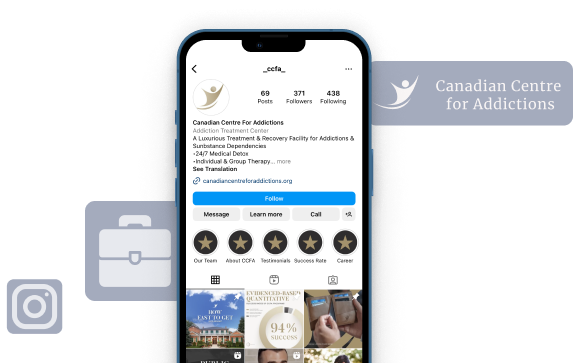
We packaged social media accounts for our client.
Look
Author
*Illustrations from icons8.com

Daria Nabiullina
Marketing Designer at NeaMob
art of allocating e-commerce budget across traffic sources
14 June 2022/9.7K read
It is a myth that a successful e-commerce project can exist only on one traffic source and give maximum profit.
It is a myth that a successful e-commerce project can exist only on one traffic source and give maximum profit.
The best traffic sources for e-commerce can vary depending on your business niche, target audience, and marketing strategy.
However, some of the most effective and commonly used traffic sources for e-commerce are:
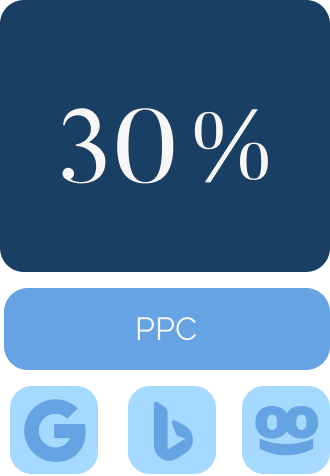
Paid Search
Common Platforms: Google Ads, Bing Ads, and other search engine advertising platforms. Why It's Necessary for E-commerce: Brand search campaigns ensure your brand appears prominently when users search for your specific brand name. This protects your brand's online presence, maintains a competitive edge, and drives targeted traffic with high conversion potential.
Common Platforms: Google Ads, Bing Ads, and other search engine advertising platforms. Why It's Necessary for E-commerce: Non-brand search campaigns broaden your reach to potential customers searching for products similar to yours but may not be aware of your brand. This drives new customer acquisition and increases your online visibility.
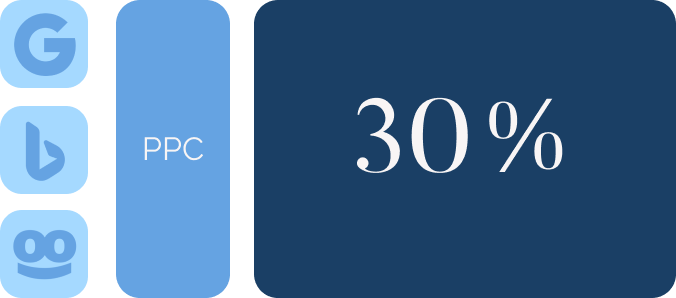
Paid Search
Common Platforms: Google Ads, Bing Ads, and other search engine advertising platforms. Why It's Necessary for E-commerce: Brand search campaigns ensure your brand appears prominently when users search for your specific brand name. This protects your brand's online presence, maintains a competitive edge, and drives targeted traffic with high conversion potential.
Common Platforms: Google Ads, Bing Ads, and other search engine advertising platforms. Why It's Necessary for E-commerce: Non-brand search campaigns broaden your reach to potential customers searching for products similar to yours but may not be aware of your brand. This drives new customer acquisition and increases your online visibility.
Social Media Advertising
Common Platforms: Facebook, Instagram, Twitter, and other social media platforms. Why It's Necessary for E-commerce: Social media marketing allows you to engage with your audience, foster brand loyalty, and build a community.
It encourages user-generated content and word-of-mouth marketing, driving organic traffic and brand awareness.
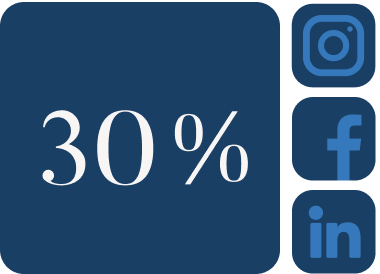

Social Media Advertising
Common Platforms: Facebook, Instagram, Twitter, and other social media platforms. Why It's Necessary for E-commerce: Social media marketing allows you to engage with your audience, foster brand loyalty, and build a community.
It encourages user-generated content and word-of-mouth marketing, driving organic traffic and brand awareness.
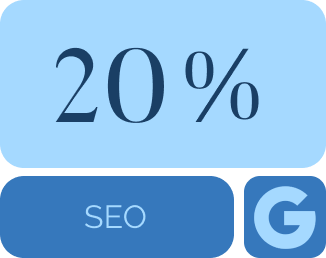
Organic Search
Common Platforms: Organic traffic from search engines like Google, Bing, Yahoo, etc. Why It's Necessary for E-commerce: SEO is crucial for e-commerce as it drives free, high-intent traffic to your website. Ranking well for relevant keywords increases your visibility to potential customers actively searching for products, leading to higher conversion rates.

Organic Search
Common Platforms: Organic traffic from search engines like Google, Bing, Yahoo, etc. Why It's Necessary for E-commerce: SEO is crucial for e-commerce as it drives free, high-intent traffic to your website. Ranking well for relevant keywords increases your visibility to potential customers actively searching for products, leading to higher conversion rates.
Affiliate Marketing
Performance-based: Common Platforms: Affiliate marketing networks or in-house affiliate programs. Why It's Necessary for E-commerce: Affiliate marketing enables you to partner with affiliates who promote your products on their websites or social media. It expands your reach to new audiences, by only paying a commission when they successfully drive conversions.
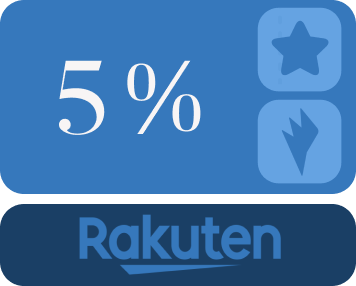

Affiliate Marketing
Performance-based: Common Platforms: Affiliate marketing networks or in-house affiliate programs. Why It's Necessary for E-commerce: Affiliate marketing enables you to partner with affiliates who promote your products on their websites or social media. It expands your reach to new audiences, by only paying a commission when they successfully drive conversions.
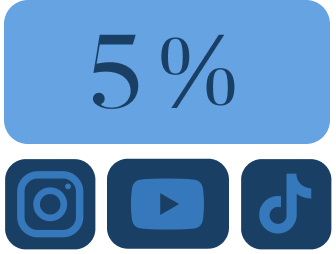
Influencer Marketing
Common Platforms: Instagram, YouTube, TikTok, and other social media platforms. Why It's Necessary for E-commerce: Influencer marketing leverages the reach and influence of influencers to promote your products to their dedicated audience. It builds trust, credibility, and authenticity for your brand, driving traffic and conversions from their followers.

Influencer Marketing
Common Platforms: Instagram, YouTube, TikTok, and other social media platforms. Why It's Necessary for E-commerce: Influencer marketing leverages the reach and influence of influencers to promote your products to their dedicated audience. It builds trust, credibility, and authenticity for your brand, driving traffic and conversions from their followers.
Content Marketing (Marketplaces)
Common Platforms: Amazon, eBay, Etsy, and other e-commerce marketplaces. Why It's Necessary for E-commerce: Content marketing on marketplaces involves optimizing your product listings with valuable content, such as compelling product descriptions and images. This improves visibility, conversion rates, and enhances the overall shopping experience.
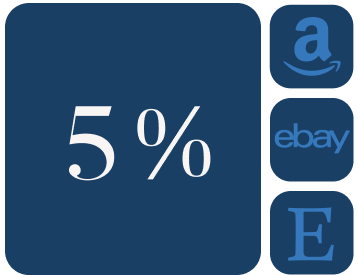

Content Marketing (Marketplaces)
Common Platforms: Amazon, eBay, Etsy, and other e-commerce marketplaces. Why It's Necessary for E-commerce: Content marketing on marketplaces involves optimizing your product listings with valuable content, such as compelling product descriptions and images. This improves visibility, conversion rates, and enhances the overall shopping experience.
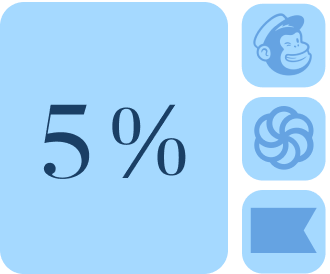
Email Marketing
Common Platforms: Email marketing platforms like Mailchimp, Sendinblue, and Klaviyo. Why It's Necessary for E-commerce: Email marketing helps with customer retention, promoting new products or offers, and driving repeat traffic to your e-commerce store. It's a direct communication channel with your audience, fostering engagement and building customer loyalty.

Email Marketing
Common Platforms: Email marketing platforms like Mailchimp, Sendinblue, and Klaviyo. Why It's Necessary for E-commerce: Email marketing helps with customer retention, promoting new products or offers, and driving repeat traffic to your e-commerce store. It's a direct communication channel with your audience, fostering engagement and building customer loyalty.
Budget allocation for each traffic source plays a vital role in a comprehensive marketing strategy for e-commerce businesses. By strategically utilizing these sources, you can attract, engage, and convert potential customers while maximizing the return on your marketing investment.
Keep in mind that the budget allocation percentages are flexible and can be adjusted based on your specific business needs, objectives, and the performance of each traffic source. Regularly monitor the effectiveness of each channel and be prepared to adapt your budget allocation to maximize ROI and achieve your e-commerce goals.

Budget allocation for each traffic source plays a vital role in a comprehensive marketing strategy for e-commerce businesses. By strategically utilizing these sources, you can attract, engage, and convert potential customers while maximizing the return on your marketing investment.
Keep in mind that the budget allocation percentages are flexible and can be adjusted based on your specific business needs, objectives, and the performance of each traffic source. Regularly monitor
the effectiveness of each channel and be prepared to adapt your budget allocation to maximize ROI and achieve your e-commerce goals.
Author
*Illustrations from icons8.com

Roman Shamanskyi
Campaign Manager at NeaMob
art of allocating e-commerce budget across traffic sources
14 June 2022/9.7K read
It is a myth that a successful e-commerce project can exist only on one traffic source and give maximum profit.
It is a myth that a successful e-commerce project can exist only on one traffic source and give maximum profit.
The best traffic sources for e-commerce can vary depending on your business niche, target audience, and marketing strategy.
However, some of the most effective and commonly used traffic sources for e-commerce are:
Paid Search
Common Platforms: Google Ads, Bing Ads, and other search engine advertising platforms. Why It's Necessary for E-commerce: Brand search campaigns ensure your brand appears prominently when users search for your specific brand name. This protects your brand's online presence, maintains a competitive edge, and drives targeted traffic with high conversion potential.
Common Platforms: Google Ads, Bing Ads, and other search engine advertising platforms. Why It's Necessary for E-commerce: Non-brand search campaigns broaden your reach to potential customers searching for products similar to yours but may not be aware of your brand. This drives new customer acquisition and increases your online visibility.
Paid Search
Common Platforms: Google Ads, Bing Ads, and other search engine advertising platforms. Why It's Necessary for E-commerce: Brand search campaigns ensure your brand appears prominently when users search for your specific brand name. This protects your brand's online presence, maintains a competitive edge, and drives targeted traffic with high conversion potential.
Common Platforms: Google Ads, Bing Ads, and other search engine advertising platforms. Why It's Necessary for E-commerce: Non-brand search campaigns broaden your reach to potential customers searching for products similar to yours but may not be aware of your brand. This drives new customer acquisition and increases your online visibility.
Social Media Advertising
Common Platforms: Facebook, Instagram, Twitter, and other social media platforms. Why It's Necessary for E-commerce: Social media marketing allows you to engage with your audience, foster brand loyalty, and build a community.
It encourages user-generated content and word-of-mouth marketing, driving organic traffic and brand awareness.
Social Media Advertising
Common Platforms: Facebook, Instagram, Twitter, and other social media platforms. Why It's Necessary for E-commerce: Social media marketing allows you to engage with your audience, foster brand loyalty, and build a community.
It encourages user-generated content and word-of-mouth marketing, driving organic traffic and brand awareness.
Organic Search
Common Platforms: Organic traffic from search engines like Google, Bing, Yahoo, etc. Why It's Necessary for E-commerce: SEO is crucial for e-commerce as it drives free, high-intent traffic to your website. Ranking well for relevant keywords increases your visibility to potential customers actively searching for products, leading to higher conversion rates.
Organic Search
Common Platforms: Organic traffic from search engines like Google, Bing, Yahoo, etc. Why It's Necessary for E-commerce: SEO is crucial for e-commerce as it drives free, high-intent traffic to your website. Ranking well for relevant keywords increases your visibility to potential customers actively searching for products, leading to higher conversion rates.
Affiliate Marketing
Performance-based: Common Platforms: Affiliate marketing networks or in-house affiliate programs. Why It's Necessary for E-commerce: Affiliate marketing enables you to partner with affiliates who promote your products on their websites or social media. It expands your reach to new audiences, by only paying a commission when they successfully drive conversions.
Affiliate Marketing
Performance-based: Common Platforms: Affiliate marketing networks or in-house affiliate programs. Why It's Necessary for E-commerce: Affiliate marketing enables you to partner with affiliates who promote your products on their websites or social media. It expands your reach to new audiences, by only paying a commission when they successfully drive conversions.
Influencer Marketing
Common Platforms: Instagram, YouTube, TikTok, and other social media platforms. Why It's Necessary for E-commerce: Influencer marketing leverages the reach and influence of influencers to promote your products to their dedicated audience. It builds trust, credibility, and authenticity for your brand, driving traffic and conversions from their followers.
Influencer Marketing
Common Platforms: Instagram, YouTube, TikTok, and other social media platforms. Why It's Necessary for E-commerce: Influencer marketing leverages the reach and influence of influencers to promote your products to their dedicated audience. It builds trust, credibility, and authenticity for your brand, driving traffic and conversions from their followers.
Content Marketing (Marketplaces)
Common Platforms: Amazon, eBay, Etsy, and other e-commerce marketplaces. Why It's Necessary for E-commerce: Content marketing on marketplaces involves optimizing your product listings with valuable content, such as compelling product descriptions and images. This improves visibility, conversion rates, and enhances the overall shopping experience.
Content Marketing (Marketplaces)
Common Platforms: Amazon, eBay, Etsy, and other e-commerce marketplaces. Why It's Necessary for E-commerce: Content marketing on marketplaces involves optimizing your product listings with valuable content, such as compelling product descriptions and images. This improves visibility, conversion rates, and enhances the overall shopping experience.
Email Marketing
Common Platforms: Email marketing platforms like Mailchimp, Sendinblue, and Klaviyo. Why It's Necessary for E-commerce: Email marketing helps with customer retention, promoting new products or offers, and driving repeat traffic to your e-commerce store. It's a direct communication channel with your audience, fostering engagement and building customer loyalty.
Email Marketing
Common Platforms: Email marketing platforms like Mailchimp, Sendinblue, and Klaviyo. Why It's Necessary for E-commerce: Email marketing helps with customer retention, promoting new products or offers, and driving repeat traffic to your e-commerce store. It's a direct communication channel with your audience, fostering engagement and building customer loyalty.
Budget allocation for each traffic source plays a vital role in a comprehensive marketing strategy for e-commerce businesses. By strategically utilizing these sources, you can attract, engage, and convert potential customers while maximizing the return on your marketing investment.
Keep in mind that the budget allocation percentages are flexible and can be adjusted based on your specific business needs, objectives, and the performance of each traffic source. Regularly monitor the effectiveness of each channel and be prepared to adapt your budget allocation to maximize ROI and achieve your e-commerce goals.
Budget allocation for each traffic source plays a vital role in a comprehensive marketing strategy for e-commerce businesses. By strategically utilizing these sources, you can attract, engage, and convert potential customers while maximizing the return on your marketing investment.
Keep in mind that the budget allocation percentages are flexible and can be adjusted based on your specific business needs, objectives, and the performance of each traffic source. Regularly monitor
the effectiveness of each channel and be prepared to adapt your budget allocation to maximize ROI and achieve your e-commerce goals.
Author
*Illustrations from icons8.com
Roman Shamanskyi
Campaign Manager at NeaMob

© 2023 NeaMob. All rights reserved.


Manage Cookie Consent

We use cookies and similar technologies to enhance site functionality, analyze traffic, and personalize content. Essential cookies are necessary for the site to work, while optional cookies help us improve your experience.
By clicking "Accept", you consent to our use of cookies.